
In the face of a global economic downturn, one thing you wouldn’t expect is for some of the more expensive smartphones on the market to increase their market share. And yet, that’s what Apple’s iPhone did.
Global smartphone shipments fell 9% in the second quarter of this year, according to a new report from Canalys (opens in a new tab), but Apple’s market share fell from 14% to 17%. Admittedly, it is still behind world leader Samsung, which holds 21%. However, as Samsung fell, Apple rose. Additionally, Canalys says demand for Apple’s iPhone 13 is still strong.
What is happening here?
No one has ever called Apple “The Affordable Brand” or “The Place to Find Your Budget Phone”. None of the iPhone 13 models, from the 5.4-inch iPhone 13 mini to the 6.7-inch iPhone 13 Pro Max, cost less than $699 (some cost over $1,000). You could argue Samsung’s flagships are just as expensive, although Canalys claims Samsung’s top spot is down to how it “strengthened its low end”. A series supply.” These phones can start from $350.
You could say that’s the unmistakable hallmark of Apple at work. People just want what Apple sells because it’s Apple. I do not agree. I would say there are six reasons why Apple continues to win while our wallets lose.
Consistent, long-term software support
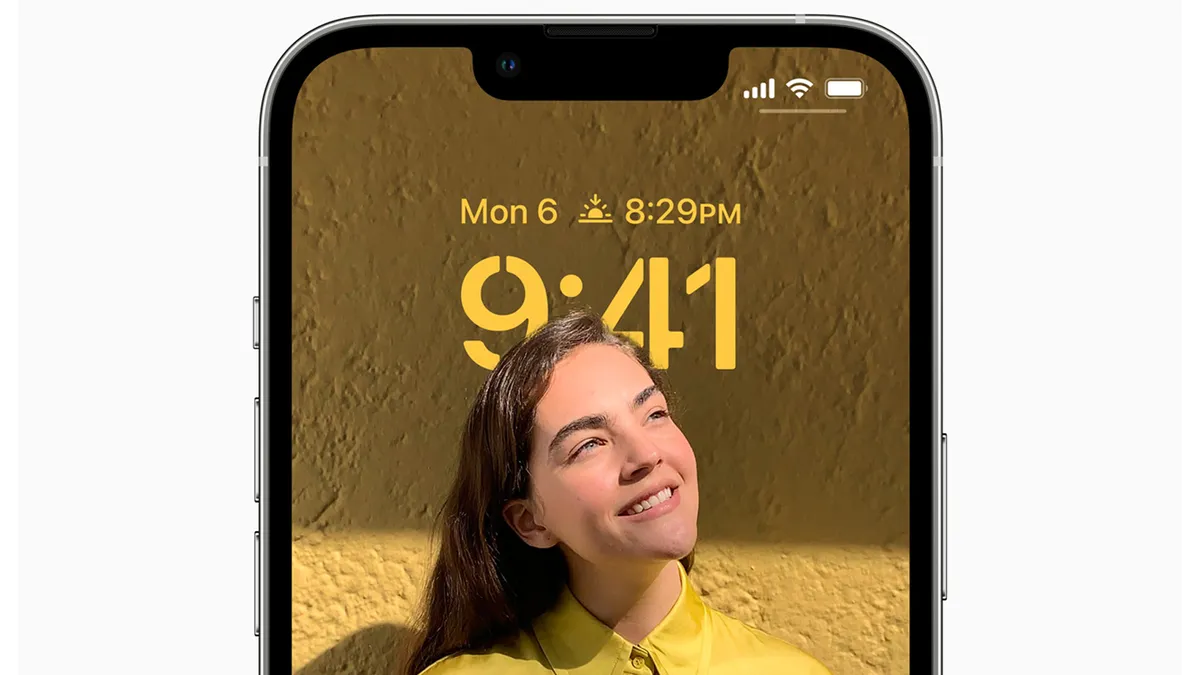
When you buy a new iPhone, it comes with the latest version of iOS. An iPhone 13 purchased today will have iOS 15. One purchased in October later this year, after the likely launch of the iPhone 14, will have iOS 16. Every supported iPhone version will be able to upgrade to the new operating system mobile as soon as Apple makes it available. In the Android world, it’s still a question mark. Newer devices should be running Android 12, but they may not be. And when Android 13 ships later this year, there’s no guarantee that all Android devices will immediately support or upgrade to it. Apple just never makes you live with that uncertainty (until they stop supporting your really old phone).
Performance all the way
Apple is one of the few handset makers that no longer plays around with different mobile processors. It now offers the A15 Bionic in all iPhone 13 models (and even the iPhone SE). Android devices feature a wide range of mobile processors from Qualcomm and Mediatek. Older generation and slightly less capable models help keep products like Samsung’s A-series in the affordable range.
If you really want an “affordable” iPhone, you can go for the $429 iPhone SE and still get Apple’s best mobile processor.
Camera performance all the way
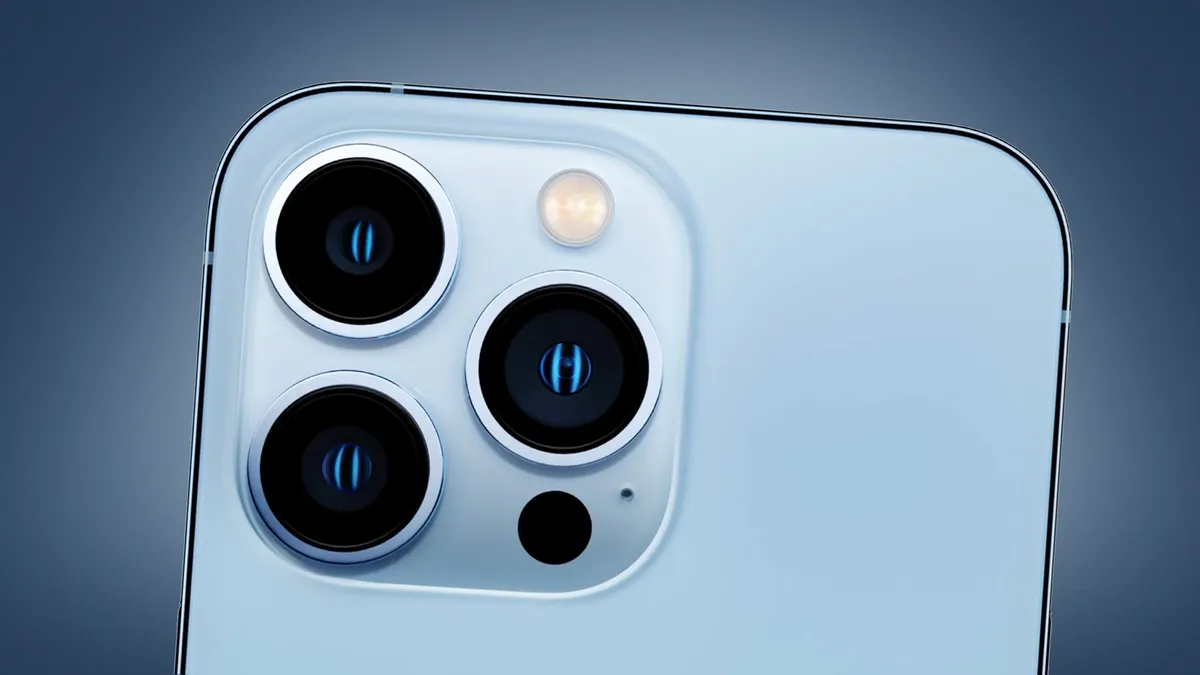
Because all of these iPhones have the same processor, they can do more with less. So photos taken with the iPhone SE’s decent, but unspectacular, camera will still look great, especially because you can still take Portrait mode shots with just one lens. As soon as you step into the iPhone 13 lineup, you’re looking for excellent dual and triple camera arrays. I won’t say that Samsung consistently beats Apple in zoom power and quality, but for overall image quality and processing, the iPhone still comes out on top.
The ecosystem
While Samsung is building a collection of quality connected devices, including its Samsung Galaxy S22 line, Galaxy Watch and Galaxy Buds, the software and its connections to other hardware like smart speakers, streaming devices, tablets, desktops, and laptops, aren’t nearly as solid and consistent as what you find with Apple.
iOS, iPadOS, tvOS, watchOS, macOS, iCloud all feel like part of the same universe because there is a real synergy between these platforms and products. Sometimes it can be as simple as when you start typing a long passcode on your Apple TV and your iPhone turns on to make it easier for you to type it in instead.
Each product is part of a bigger whole because Apple designs it that way. Samsung, Google and other Android companies are all trying to work in the same direction, but I think consumers can see that they are catching up.
Customer service

The availability of Apple’s physical stores is not only a real asset for Apple, as it works to sell you billions of new products, it is also a benefit for customers. Not only does it provide quick physical access to more Apple gadgets, but it’s a destination for customer support and camaraderie. Recognizing that its stores are more than just retail destinations, Apple has transformed them into something akin to tech community hubs. Microsoft has tried and failed to do this and Samsung and Google, while offering nice stores with similar amenities, don’t have the same levels of vibrancy and usefulness.
Retain its value

I think it’s safe to say that iPhones hold their value. A recent visit to Gazelle (opens in a new tab) finds iPhones dating back to the iPhone 6S still on sale (of course, why would you buy an $84 6S when you can get an iPhone 13 mini for $589?).
Even with all that, Apple’s iPhone isn’t always a winner. At the end of 2020, Apple was briefly number 1 with around 20% market share, but then fell during the summer of 2021 as customers waited for the iPhone 13.
What I mean, though, is that people will always come back to Apple and its high-value iPhone and not just for the iconography or the ghost of Steve Jobs. They pay more because in the end they get more.