
As we approach September and therefore the very likely launch of the new iPhone 14 line, rumors around Apple’s next smartphone are accelerating. We now have a pretty good idea of what the standard iPhone 14 models and iPhone 14 Pro handsets will look like, along with their cameras and display specs. But a rumor keeps surfacing and it’s strange.
This tidbit is how the iPhone 14 will stick with the A15 Bionic chip found in the iPhone 13 lineup, while the iPhone 14 Pro models will get a new, more powerful A16 chip. Now, Apple hasn’t even hinted that would be the case, but many reputable tech tipsters have pointed out this chip mismatch.
What’s odd here is that it would be the first time Apple hasn’t outfitted a next-gen iPhone with new silicon, let alone a separation between standard and Pro models. This lack of a chip upgrade is arguably an easy way to dismiss the iPhone 14 out of hand; that’s before you consider it apparently won’t get the new pill and punch-hole camera cutouts to replace the infamous display notch.
However, trading my tech-enthusiast hat for my rational-thinking hat, I’m not very convinced that leaving the iPhone 14 with the A15 chip is actually a big deal.
Lots of performance

For years, Apple’s A-series chips have easily beaten the flagship Snapdragon and Exynos silicon found in top Android phones. In our tests, even the gaming-focused Asus ROG Phone 6 Pro with its new Snapdragon 8 Plus Gen 1 is easily beaten by the iPhone 13 Pro Max’s A15 Bionic chip, which also outperforms the mighty Samsung Galaxy S22 Ultra. .
After about 8 months of using the iPhone 13 Pro – after switching Android – I haven’t encountered anything slowing down the phone’s A15 chip. That said, I haven’t really found anything yet to tax an Android phone with a Snapdragon 8 Gen 1 or even the older Snapdragon 888 chip.
I’m thinking of the combination of Apple’s optimization work with the A-series chips and how many apps and games are designed to run on a wide range of different phone hardware than the top devices from our best phones list i.e. both iPhone and Android phone. performance is a bit questionable these days outside of very niche use – say rendering video in motion.
So the growing rumor that the iPhone 14 might stick with the A15 Bionic isn’t much of a concern. And Apple will likely have made some improvements below the surface with iOS 16 to ensure the iPhone 14 never feels sluggish; I’ve yet to come across an iPhone that let me down on the performance side, which I can’t say about Android phones.
What would put me off the standard iPhone 14 is that it might not get a high refresh rate display, potentially sticking to the 60Hz panel of its predecessor. Regardless of how much stock you put in high refresh rates, having a 2022 flagship phone with what will likely be an $800 price tag with a 60Hz display would be a bit shameful in my mind. But there are hints that the iPhone 14 might have a 90Hz panel, which is much more acceptable.
Switch to iPhone 14 Pro?
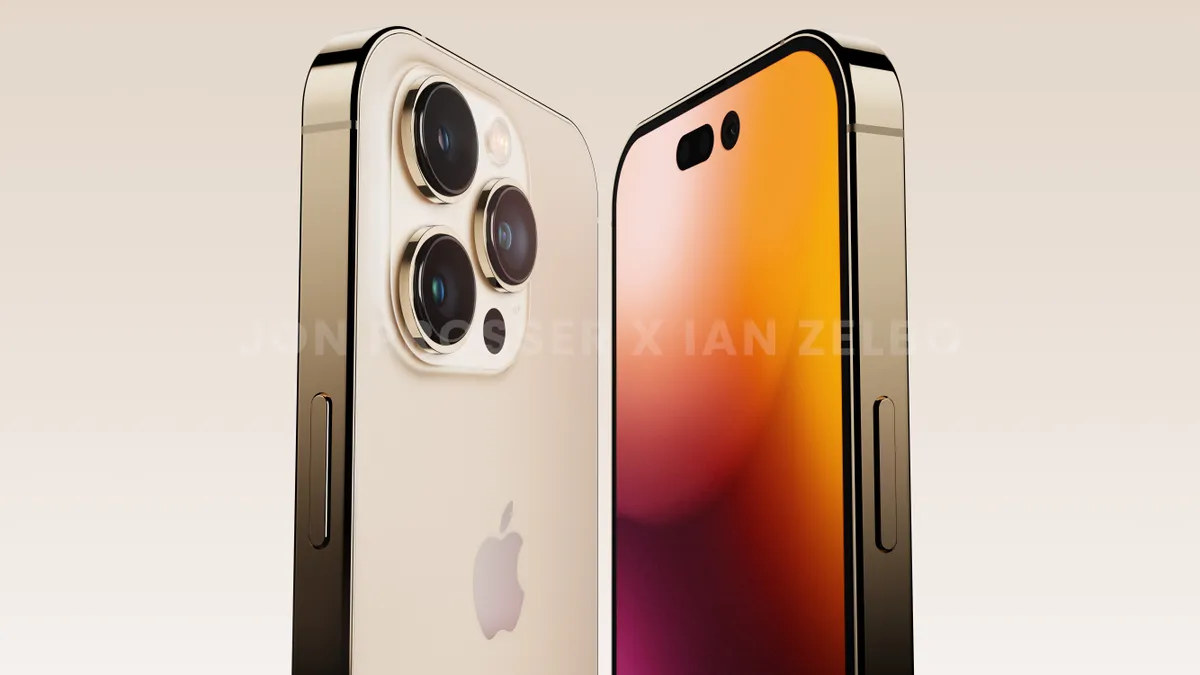
So what about the iPhone 14 Pro and the A16 Bionic? Well, it’ll probably be faster and more efficient than its predecessor, although as mentioned I don’t think it will make a noticeable difference in real-world usage.
After diving into the current chip manufacturing process, Macworld’s Jason Cross (opens in a new tab) predicted that the performance of the A16 Bionic processor would increase by 15%, graphics performance by 25% to 30%, and memory bandwidth would improve by 50%. Those last two numbers sound impressive. But then again, when was the last time you felt like your iPhone was running slow or couldn’t handle a slew of apps you had open? I guess not at all or rarely, even if you were using a generations old iPhone.
Of course, to justify a premium price, I think Apple would have to give the iPhone 14 Pro a new chip even though the A15 Bionic offers more power than anyone probably needs. But a less cynical reason for the expected chip disparity between the iPhone 14 and iPhone 14 Pro could be due to the latter’s supposed 48MP camera.
Boosting the main camera from 12MP to 48MP in the iPhone 13 series not only opens up the camera system to capture more details, but also enables 8K video recording; the latest iPhones can only capture 4K video. More detail and higher resolution means more information for a phone to process, even if it ends up producing 12MP photos.
As such, Cross believes the A16 chip will focus on image signal processing and powering Apple’s neural engine; that’s something I agree with. The latest generations of A-series chips have focused on neural processing and powering smart algorithms over garish frame rates in games. And that resulted not only in a more responsive Siri, but also in image processing that puts the iPhone 13 Pro Max at the top of our list of best camera phones.
Given that the iPhone Pros are effectively used for semi-pro photography and video capture, I can see Apple leaning heavily into the neural processing and smart capabilities of the A16 chip for the iPhone 14 Pro models. I’d expect to see a presentation on September 13 showing how the improved semantic rendering and processing results in photos and videos that offer a noticeable improvement over previous iPhone Pros.
That said, the iPhone 13 still takes great photos with its main camera. And I suspect the iPhone 14 will do the same, likely benefiting from some software improvements as well. Since smartphone cameras are so good these days, you really need to look for major flaws or differences in image composition, including big improvements from generation to generation.
With all of that in mind, if you’re at the stage where you’re considering an iPhone upgrade or fancy switching from iOS to Android, I wouldn’t dismiss the upcoming iPhone 14 out of hand, despite its supposedly weaker specs. That’s unless you really want to use video editing apps and capture photos you might want to print; then the iPhone 14 Pro is probably for you.
Of course, that’s still just speculation for now, as we await the official reveal of the iPhone 14 lineup, most likely in the second week of September during the Apple Event. But it looks like Apple will introduce two iPhone 14 models that may not have the best specs on paper, but will still impress in real-world use.