
A good night’s sleep is essential to our overall well-being and our phones can prevent us from getting the quality rest we need in several ways, such as hitting the snooze button, as it can disrupt your circadian rhythm or your internal clock. “An irregular circadian rhythm can have a negative effect on a person’s ability to sleep and function properly,” according to Harvard Health. Additionally, poor phone habits can have a significant negative impact on your health, and Dr. Tomi Mitchell, board-certified family physician with Holistic Wellness Strategies tells us five things to avoid doing with your phone.” Read on – and to ensure your health and the health of others, don’t miss these Sure signs you’ve already had COVID.
Dr Mitchell shares: “As a physician and wellness and performance coach, I attest that certain habits are potentially harmful, even though they may seem quite innocent at first glance. Most people now own smartphones, and utilization rates are constantly increasing.. However, there is growing evidence that these ubiquitous devices can harm our health. One of the problems is that we spend less time interacting face-to-face and looking at screens more. This can lead to social isolation and anxiety. Another issue is that the constant stream of information and notifications can make it hard to concentrate or get a good night’s sleep. Additionally, the blue light emitted by phones can disrupt our natural circadian rhythms. While there is no need to panic, it is essential to be aware of the potential risks involved in using the phone. By using simple strategies, such as setting screen time limits and using a blue light filter, we can minimize the impact of phones on our health.”
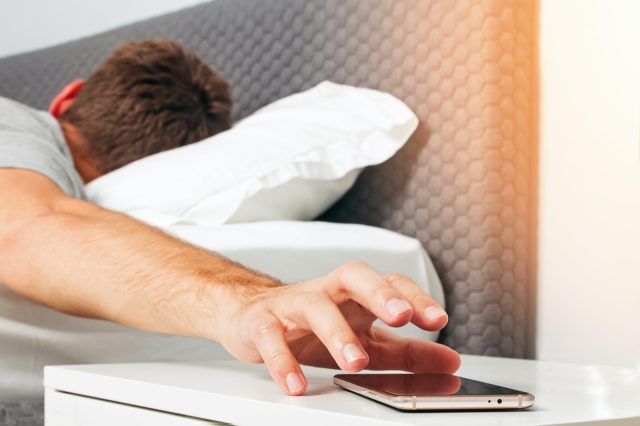
Dr Mitchell says: “When the alarm goes off in the morning, it can be tempting to hit the snooze button and curl up under the covers for a few extra minutes of sleep. However, research suggests that hitting the snooze button can make your day less productive. For example, one study found that people who pressed the snooze button were more likely to feel tired and lazy throughout the day. I believe that if you start your day with procrastination and a less than enthusiastic start, you are more likely to perceive a less than productive start.
The snooze button can give you a few extra minutes of sleep, but it can also make you less productive during the day. For example, if you want to start your day off right, resist the urge to hit the snooze button and get out of bed as soon as the alarm goes off. People who hit the snooze button out of habit or perhaps don’t feel well rested may have trouble concentrating and are less likely to complete tasks. In contrast, people who got up as soon as the alarm went off felt more alert and had more energy. So if you want to start your day on a productive note, you better avoid hitting the snooze button.”
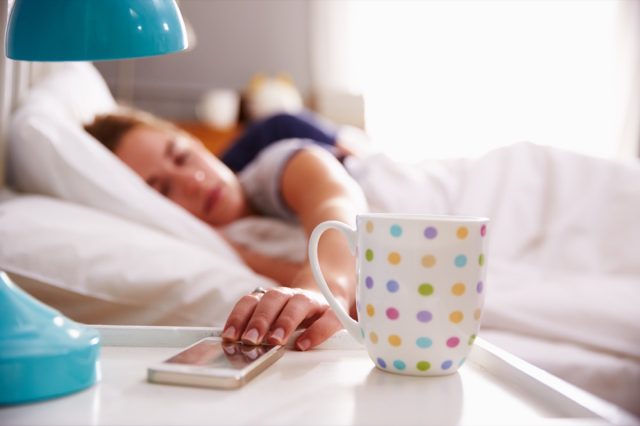
“Checking Instagram or Facebook can start your day on a negative note by making you compare your life to that of others,” says Dr. Mitchell. “Instead, use that time to do something for yourself, like reading or meditating. That being said, I still believe that social media can have a positive impact on your day if you’re mindful of the time you you go online and know the social media pages you follow If I notice any pages being posted on my feed that don’t align with my values and the person I want to be, I will unfollow and in some cases , will block certain types of content. Life and my time are too precious to let negativity steal my joy.”
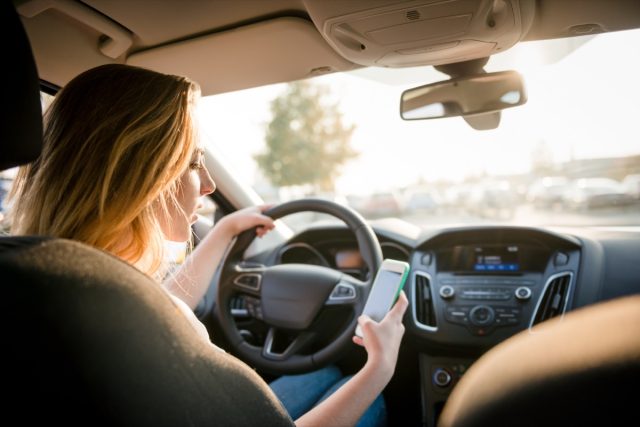
Dr. Mitchell reminds us: “When you get behind the wheel of a car, you are responsible for your safety and that of others on the road. One of the easiest and most effective ways to reduce your risk of being involved in an accident is to avoid distractions while driving, including eating, drinking, talking to passengers, and using your phone and using it while driving. Driving is dangerous because it takes your hands off the wheel, your eyes off the road and your driving mind. a glance at a text message can be enough to cause an accident. In fact, according to the National Highway Traffic Safety Administration, phone use while driving contributes to 1.6 million crashes each year. If you can’t resist using your phone while driving, there are steps you can take to minimize the risk. For example, you can put your phone out of reach so you won’t be tempted to look at it, or you can enable a feature that automatically replies to text messages so you don’t have to check your phone. Ultimately, however, the best way to avoid using your phone while driving is to make a conscious effort to keep it out of sight and out of mind.”

Dr Mitchell says: “In our increasingly digital world, it is increasingly common to see people using their phones in face-to-face conversations. Whether they’re checking email, browsing social media, or playing games, there’s always something more exciting. what happens on these small screens than what happens in the real world. However, using your phone during a conversation is rude and shows a lack of interest in the other person. When you look at your phone, you send the message that you would rather be somewhere else. So, instead of chatting with the person in front of you, you choose to disconnect. So the next time you talk to someone, put your phone away and give them your full attention. conversation more pleasant for both of you.”
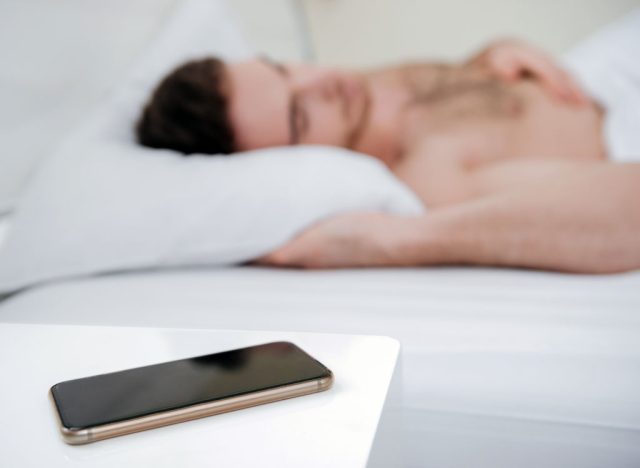
Dr Mitchell shares: “We’ve all been there – you try to fall asleep, but can’t get yourself to feel comfortable. So, you search for your phone, scroll through social media or check your emails. but did you know that sleeping with your phone next to your bed can be harmful to your health?For one thing, blue light from screens can disrupt your sleep cycle, making it harder to fall asleep and maintain Plus, constant exposure to EMFs has been linked to a variety of health issues, including headaches, fatigue, and even cancer. So the next time you have trouble falling asleep, leave your phone in another room and try some relaxation techniques instead. Your mind – and your body – will thank you for it.”
Heather Newgen
Heather Newgen has two decades of experience reporting and writing about health, fitness, entertainment and travel. Heather is currently a freelancer for several publications. Read more