
“It’s so deadly, and it hit so hard, and it hit in the middle of the night,” Governor Andy Beshear said of the disaster. Homes were “completely swept away in the middle of the night”, possibly while residents were sleeping.
National Weather Service forecasters issued an emergency flash flood alert — the agency’s most severe flood warning tool — around 1 a.m. Thursday. In many homes, the only way to issue this alert at this time would have been a wireless emergency alert on cell phones. But even these can be disabled by users.
So how do you keep yourself and your family safe when flash floods hit at night? Here is a checklist.
Know your risk
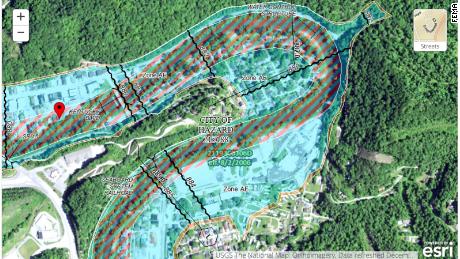
Hilltops don’t pose the same risk as low-lying land near streams, streams, or rivers. The first thing to do is therefore to determine if your house is in one of these risk zones.
The best way to do this is to look at the flood maps themselves – they’ll show you what will flood when the water starts to rise.
To be aware
Flash floods, by nature, are intense and sudden. You won’t have time to plan once a flash flood hits – so you need to know if the weather might turn bad before it happens and take the forecast seriously.
How do you know when all of this is happening? Meteorologists are really good at spreading the word.
- Spending a lot of time on Twitter or Facebook? Follow your local National Weather Service office and your favorite TV weatherman there.
- Save your local forecast on weather.gov.
- Watch television. We’re CNN fans, of course, but local news is still one of the best ways to get weather warnings. Many stations also have their own weather apps.
- Sign up for severe weather alerts via a weather app – these will include more than just the most severe warnings; you can also get personalized forecasts and notifications when meteorologists think conditions might deteriorate.
Understand alert jargon: A look is emitted when conditions are favorable for bad weather, but it has not yet happened; A Attention is issued when severe weather occurs; A emergency is issued when things are really, really bad.
Don’t turn off your cell phone alerts
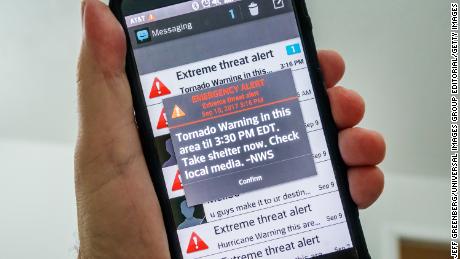
You know them when you hear them: those loud emergency alerts coming out of your cell phone. Tornado; flash flood; a missing child – all of these will trigger one of these wireless emergency alerts.
So don’t turn them off. They could be the only line of defense between you and dead time when you’re in a deep sleep at 2 a.m.
Own a weather radio
You cannot watch TV or surf the web when the power is off. You may not have a strong enough cell signal to receive the WEA alert. So when all else fails, a weather radio will make sure you get the warning.
Many of these radios come with flashlights and hand cranks to keep the battery charged. Some have solar panels.
It doesn’t matter how fancy you want to get. The thing is, these devices can be programmed to only wake up when things go wrong. It’s a much-needed piece of mind, especially if you’re in a high-risk area.
have a plan
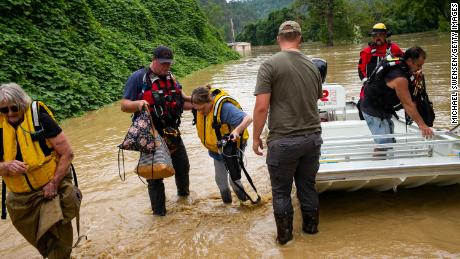
You have ways to know if the weather might turn bad, and you have set up alerts to notify you when it happens. But none of that matters if you don’t have a plan.
Here are some other flash flood emergency tips:
Keep an ax in the attic “It sounds crazy, but if the water is so high you have to get into the attic, you’re going to need a way out. And it will go through the roof with an ax.
Invest in life jackets for the family — If the worst happens and you are swept away by floodwaters, having a personal flotation device could mean the difference between life and death.
Never drive through flood waters — It is imperative not to get into your car in the event of flooding, especially if you do not know if your emergency exit is in a flood zone. Two feet of water can float a car, and 6 inches of moving water can wash you away. If you still find yourself in a car with the flood water rising around you, get out immediately and head to higher ground.
Be prepared to walk to the heights — Driving through flood waters is deadly, so the “on foot” part is essential. Grab your emergency kit and head to the heights on foot before high water hits your door. Plan where it will be in advance.